72 hr
Tumpak Sewu, Bromo & Ijen 3-Day Adventure from Surabaya/Malang
3-day East Java tour to Tumpak Sewu Waterfall, Bromo sunrise by jeep, and Ijen's blue fire crater.
Reserve
Hand-picked by our editors — only the best 5 multi-day itineraries from 60 reviewed.
Verified partners for every tour, free cancellation where available, and instant confirmation on every booking.
72 hr
3-day East Java tour to Tumpak Sewu Waterfall, Bromo sunrise by jeep, and Ijen's blue fire crater.
Reserve
72 hr
Backpacker-style 3-day trip linking Tumpak Sewu Falls, Bromo sunrise and Ijen's blue fire to Bali.
Reserve
96 hr
East Java's waterfall and volcano trio: Tumpak Sewu, Bromo sunrise and Ijen's blue fire.
ReservePrices from verified partners. Availability updates in real time at checkout. Free cancellation policies apply where shown.
The landmarks, rooms, and views travelers on this tour remember — all visible on a single visit.
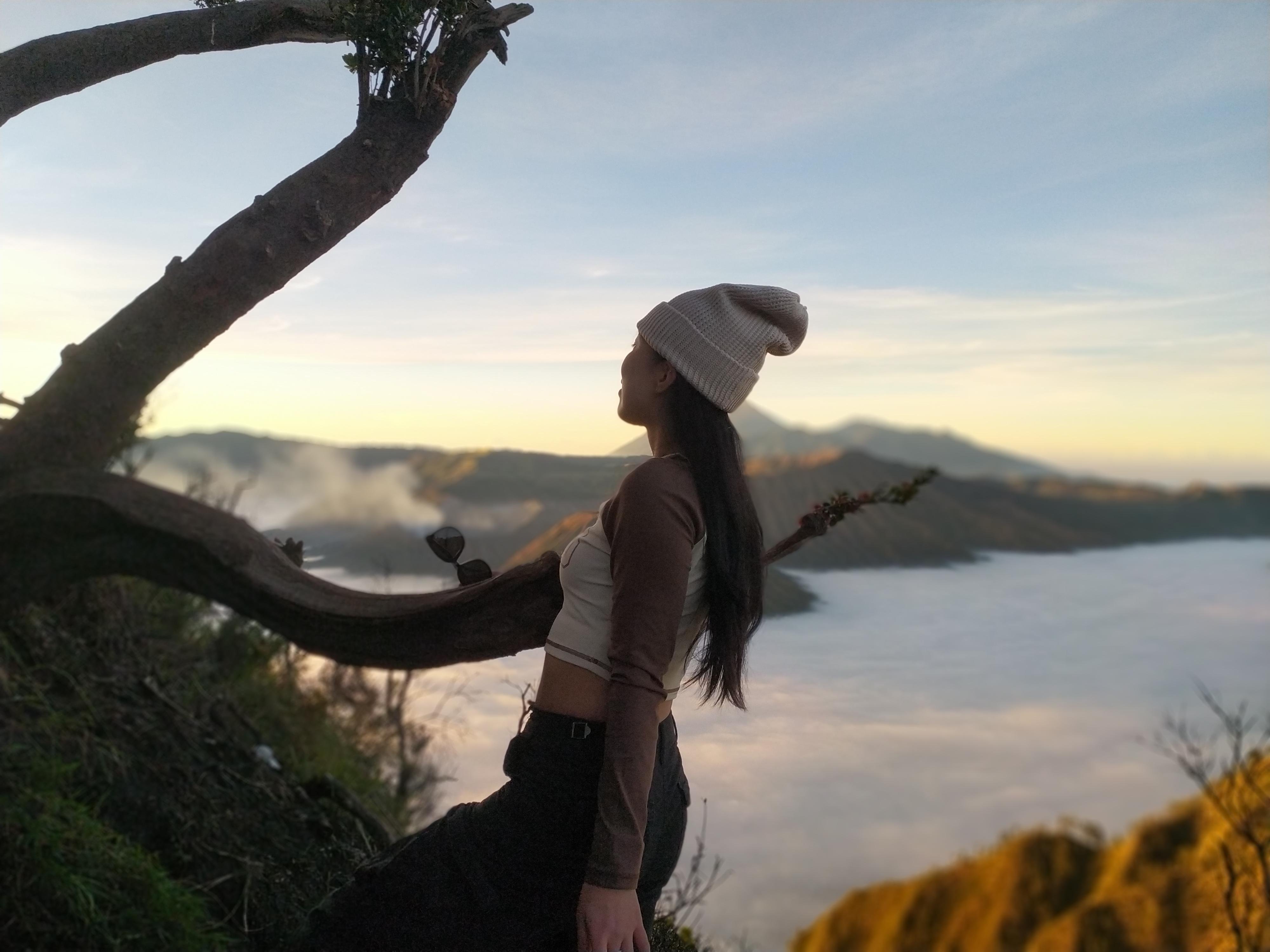
Penanjakan is one of the classic sunrise lookouts over the Tengger caldera. Its elevation gives broad views of Bromo, Batok, and Semeru in one frame, with volcanic ridgelines layered across the horizon.
The active crater is the core geological feature of the park. Visitors usually approach it across the sea of sand and then climb the stairs to the rim, where sulfur fumes and the crater’s steep interior are the main draw.
The black sand plain around Bromo is called the Sea of Sand. It creates a stark desert-like foreground that makes the surrounding cones and ridges look even larger, especially in low morning light.
Pasir Berbisik is the wind-swept sand area often photographed for its open textures and shifting patterns. The name translates to “whispering sand,” a fitting detail when the caldera wind is strong at sunrise.
Luhur Poten is the Hindu temple used by the Tengger community in the caldera area. It stands out as a cultural landmark within the volcanic landscape and is associated with ritual use rather than only sightseeing.
This rolling grassland contrasts sharply with the crater zone and adds a softer green landscape to the visit. In the wet season, the hills turn vivid and are often used as a final stop after the dawn viewpoint circuit.
They are complementary, but the waterfall-volcano circuit is the more complete East Java road trip and the more demanding one to book into, while Mount Bromo & Ijen Crater 3D2N is the leaner option for travelers who want to focus on the two volcanoes. If you want the fuller circuit, the bromo ijen tumpak sewu tour package tours style itinerary wins on variety; if you want less transit and a steadier pace, the Bromo-only alternative is easier.
| Feature | Top pick Bromo, Tumpak Sewu & Ijen | Mount Bromo & Ijen Crater 3D2N |
|---|---|---|
What you include |
Bromo, Tumpak Sewu, Ijen | Bromo and Ijen only |
Trip pace |
More packed, more stops | Less packed, simpler loop |
Transfer time |
Longest overland transfers | Shorter between volcanoes |
Early starts |
Two pre-dawn starts | Two pre-dawn starts |
Best for |
Waterfall-plus-volcano circuit | Volcano-focused East Java trip |
Value per day |
Higher variety per day | Lower variety per day |
| See tickets → |
Verdict: Choose the fuller circuit if you want one trip that bundles a waterfall with both volcanoes, but choose Mount Bromo & Ijen Crater 3D2N if you want a faster, cleaner itinerary with less time on the road.
Choose your ticket, select your date, and reserve in under two minutes. Secure checkout handled by our verified partner.
Instant confirmation by email, with a mobile voucher you can save offline. No printing, no queuing at a collection desk.
Arrive at the entrance, show your voucher on your phone, and walk in. Most tickets include priority or skip-the-line access.
Practical details for your visit straight from our verified partners — hours, access, rules, and how to get there.
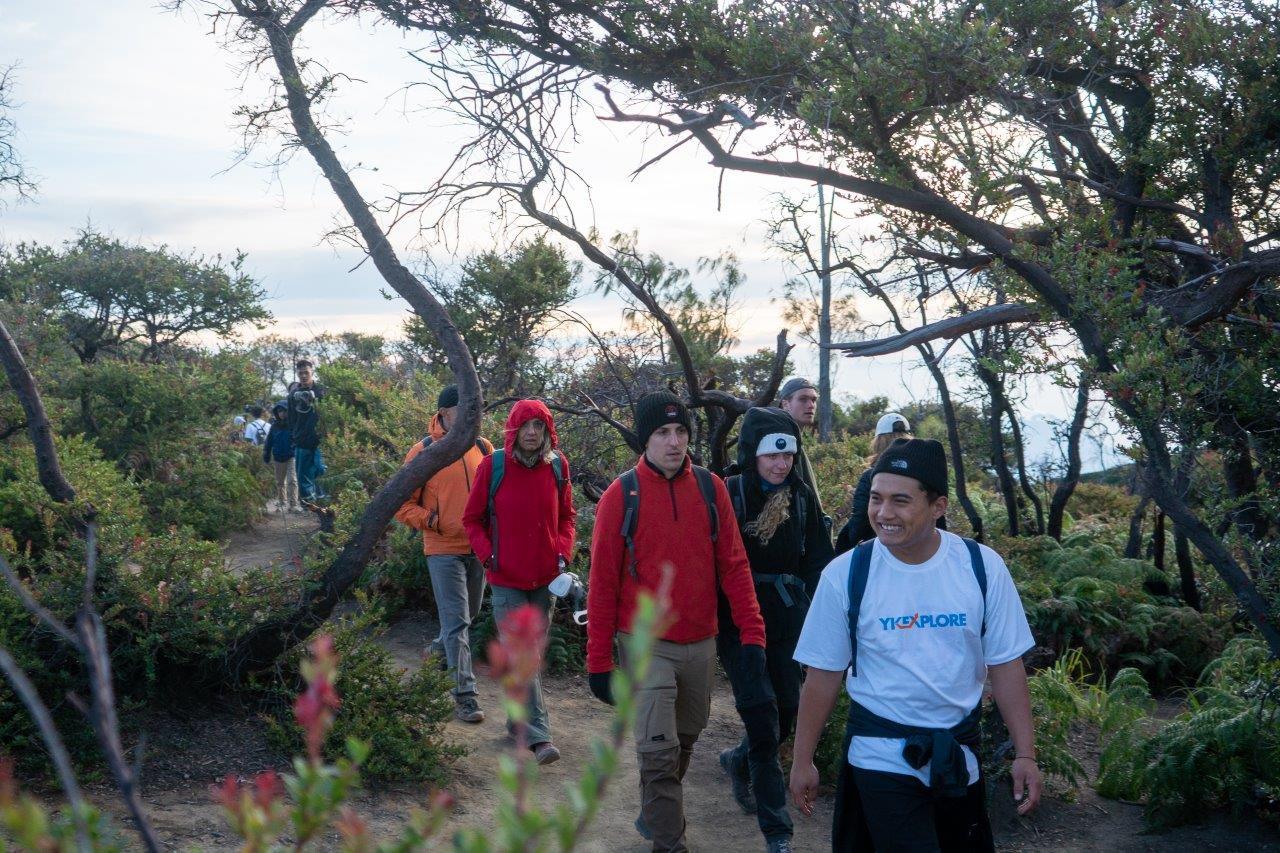
Dress for cold pre-dawn conditions, strong wind, and volcanic dust. Layers, a windproof jacket, closed shoes, and a face covering are practical for the Tengger caldera and viewpoints around Bromo.
Bring a small daypack and keep documents accessible for ticket checks at the entrance. Official rules require online booking and show proof of purchase to staff; drone use and special shoots need prior permission.
Photography is allowed for regular visitors, but drone use for personal non-commercial filming must be registered through the online booking process. Commercial shoots, including prewedding sessions, need advance permission before entering the area.
Access inside Bromo relies on rough volcanic roads, sandy tracks, and steps at some viewpoints, so it is not fully wheelchair-friendly. The official site allows both 2-wheel and 4-wheel vehicles, and local transport is commonly used for the final approach.
Mobile coverage can vary across the caldera and at remote viewpoints, so download maps before departure. Keep your booking QR code saved offline in case the signal is weak at the gate.
Families can visit, but the cold dawn start and uneven terrain make supervision important for children. Keep children close at viewpoints and plan short stops rather than a long exposed wait in the open caldera.
Food stalls and simple warung-style vendors are common near the main visitor routes, but options are limited before sunrise. Carry water and light snacks because the earliest hours are cold and services can be sparse.
Pets are not a good fit for the volcanic terrain, crowds, and early-morning logistics. The official rules focus on managed wildlife and visitor safety, so leave animals outside the park visit.
The official Bromo rule set requires online booking and proof of purchase at the entrance. Visitors also need to follow vehicle and guide instructions in the Tengger area, especially around sunrise congestion and regulated viewpoints.
Best time to go, insider tips, nearby landmarks, and the cancellation fine print — flip through to skim what matters to you.
Flexible, no hidden fees.
The official Bromo policy states that paid entrance tickets are non-refundable and cannot be rescheduled after payment. The conservation fee for a foreign adult is 255,000 IDR per person.
Mount Bromo is the smallest cone in its caldera, and the only one that has not stopped smoking. It rises 2,329 metres inside the Tengger Sand Sea, a ten-kilometre bowl of volcanic ash that geologists read as the collapsed remains of a far older mountain. Around it stand Batok, Kursi, Watangan and Widodaren, all dormant. Bromo alone vents. The Tengger people, descendants of Majapahit-era Hindus who withdrew to the highlands after the fifteenth century, have lived on the caldera rim for roughly six hundred years. Their calendar culminates in Yadnya Kasada, when offerings of rice, livestock and flowers are thrown into the crater to honour a legend of sacrificed children. The ritual predates every road and every operator selling a bromo ijen tumpak sewu tour package today. Eighty kilometres east, Kawah Ijen holds a different kind of fire. Its one-kilometre crater lake is the largest highly acidic lake on earth, with a pH near zero and a turquoise colour produced by dissolved sulphuric and hydrochloric acid. At night, ignited sulphuric gases burn electric blue along the crater wall — one of only a handful of such sites recorded worldwide. Miners still carry baskets of solidified sulphur weighing seventy to ninety kilograms up the rim path, twice daily, a trade that began under Dutch concession in 1968. South of both, in the Lumajang foothills, Tumpak Sewu falls in a semicircular curtain roughly 120 metres high. The name means "a thousand waterfalls" in Javanese, and the description is close to literal: the Glidah River fans across the cliff face in dozens of separate threads. On clear mornings, Semeru — Java's highest peak at 3,676 metres — smokes directly behind it. The three sites sit within a single UNESCO Global Geopark corridor, which is why regional operators bundle them. Bromo Tengger Semeru National Park charges 255,000 IDR per foreign adult, and the park gates operate 00:00–23:59, seven days a week, a schedule built around nocturnal ascents rather than office hours. Most multi-day East Java volcano tours cross all three in seventy-two hours of driving, sleeping and climbing. What holds the itinerary together is geology, not marketing. A well-built bromo ijen tumpak sewu tour package traces one subduction zone from its cinder cone to its acid lake to its waterfall escarpment — three expressions of the same tectonic pressure, seen in three consecutive dawns.
"The ritual predates every road and every operator selling a tour of the caldera today."
A step-by-step walkthrough of the visit — what you'll see, how long each stage takes, and the details that matter.
You leave Surabaya or Malang in the afternoon and reach the Lumajang foothills before dark. The next morning you descend a bamboo ladder and a knotted rope into the Tumpak Sewu gorge, wade a shallow river, and stand in spray beneath 120 metres of falling water. You climb back out wet. You dry off in the van. By evening you are on the Tengger rim, at altitude, in a jacket you did not think you would need in August. Arrival between 03:00 and 06:00 gives you the best sunrise light and fewer crowds, so a jeep collects you in the dark and grinds up to a viewpoint where the caldera fills with cloud below the treeline. Then you cross the Sand Sea on foot or horseback and take 250 concrete steps to the crater lip, where sulphur steam rises past your boots. The last night starts at midnight. You trek three kilometres up Ijen's flank, fit a gas mask, and descend to the crater floor to watch blue flames run along the rock. At first light the lake turns turquoise and miners pass you carrying loaded baskets uphill. Your bromo ijen tumpak sewu tour package ends at Banyuwangi port or back in Malang, depending which route you chose.
The official Bromo hours are 00:00 – 23:59 every day. The park is effectively open all day, but the sunrise window is the busiest time. Yes. The official Bromo schedule lists Monday through Sunday with the same all-day hours. That means the site operates daily rather than closing on a weekly day off. The official foreign adult entrance fee is 255,000 IDR per person. The price published by the park is the same for weekdays and holidays. The best arrival window is 03:00–06:00. That timing gives the best sunrise light and usually fewer crowds than later in the morning. Yes, but drone use for personal non-commercial photography must be handled through the online booking process. Commercial photo or video work, including prewedding shoots, needs prior permission from park staff. The official rules require online booking and proof of purchase at the entrance, so keep your QR code or booking confirmation ready. Security is mostly about compliance at the gate and following the park’s vehicle and activity rules. Yes, but it is more comfortable for older children than for toddlers because the terrain can be cold, windy, and uneven. Keep children close at viewpoints and expect early departures. Wear warm layers, a windproof jacket, and closed shoes because dawn temperatures in the Tengger area can feel much colder than the daytime forecast. A face covering is also useful against volcanic dust. No. The official Bromo policy says paid tickets are non-refundable and cannot be rescheduled after payment. That rule applies to the entrance booking system. Nearby day-trip connections include Probolinggo, Pasuruan, Malang, and Lumajang. Lumajang is especially useful if you are linking the trip with Tumpak Sewu on a longer East Java itinerary.
Please contact us for more information.